Can composite veneers create a natural-looking smile in Smeaton Grange?
Case Note ID: Mar-2025-CV
Location: Toothsavers (serving the Smeaton Grange area)
Primary Treatments: Composite Veneers
Supporting Technology: Digital Smile Design, Intra-Oral Scanner, Shade-Matching System


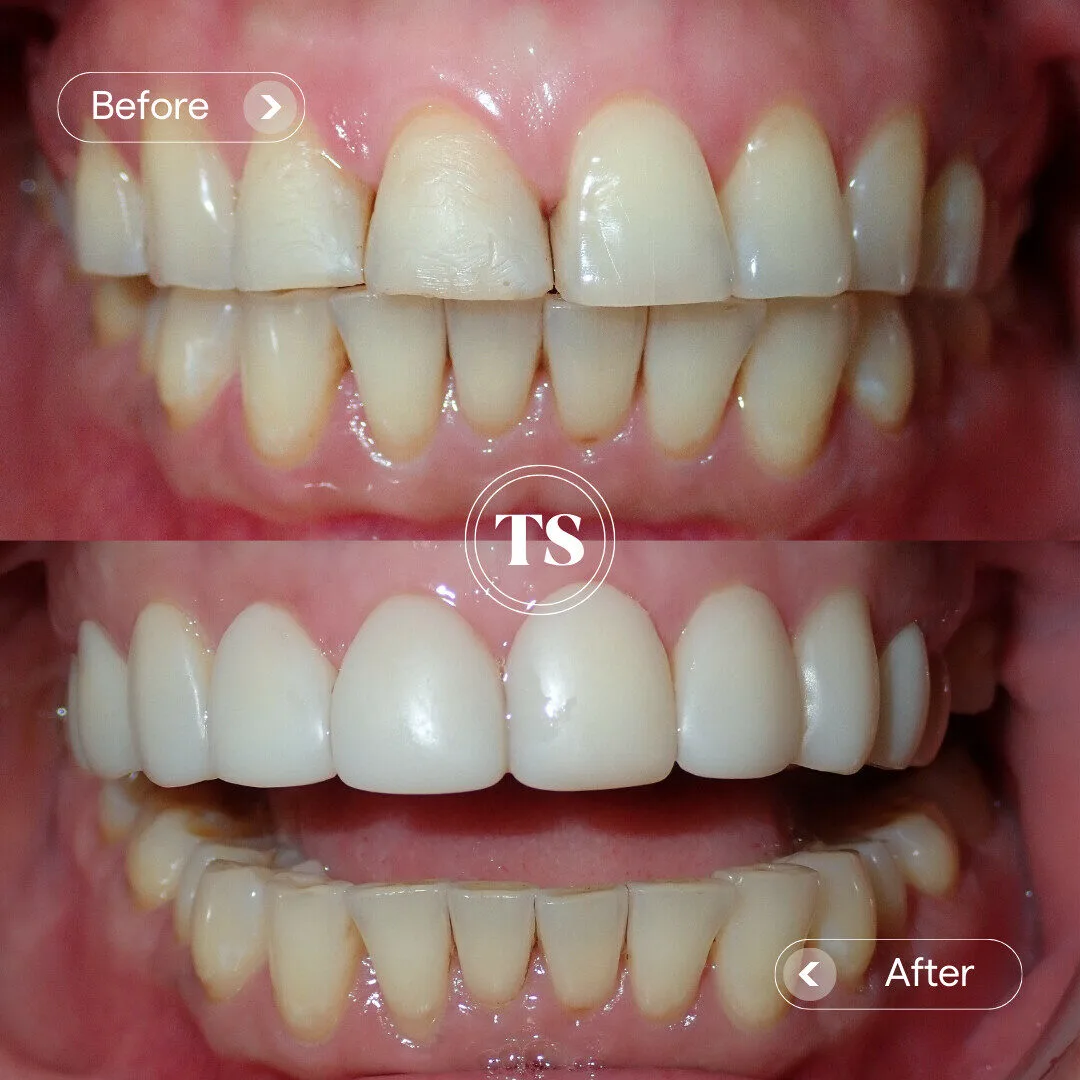
Presenting Clinical Problem
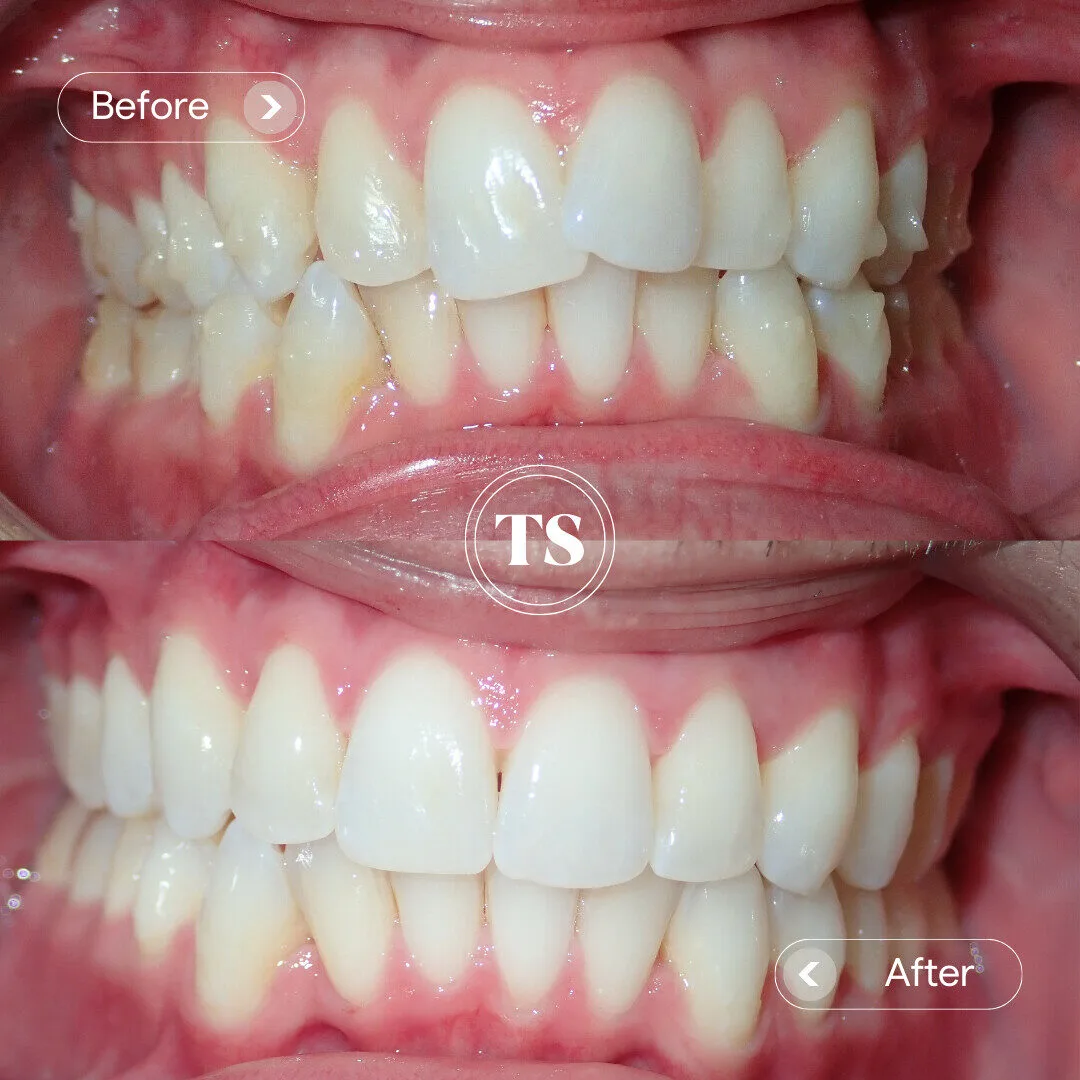
A patient presented with unevenly shaped, mildly crooked front teeth that appeared worn and discoloured. They wanted to improve their smile’s overall balance and brightness without undergoing lengthy orthodontic treatment.
- Minor Misalignment: The front teeth were slightly uneven, giving the smile an irregular appearance.
- Worn and Chipped Edges: Years of wear had caused minor chipping and flattening.
- Uneven Colour: Surface stains and patchy enamel affected brightness and uniformity.
- Aesthetic Goal: The patient wanted an affordable, conservative option that looked natural and harmonious.
The clinical objective was to enhance symmetry, colour, and shape using composite veneers while maintaining the natural structure of the teeth.
Treatment Plan & Clinical Process
A minimally invasive, carefully colour-matched approach was taken to restore balance and enhance aesthetics.
Phase 1: Smile Design & Shade Selection
High-resolution photographs and scans were used to design the ideal tooth shape and proportion. The final composite shade was matched precisely to blend with the patient’s natural enamel.
Phase 2: Tooth Preparation
Minimal surface reshaping was performed to allow the composite to bond seamlessly without removing unnecessary enamel.
Phase 3: Composite Veneer Application
Tooth-coloured composite resin was artistically layered and sculpted directly onto each front tooth, replicating the natural translucency and texture of enamel.
Phase 4: Finishing & Polishing
Each veneer was finely shaped and polished to achieve a smooth, light-reflective finish consistent with the patient’s natural teeth.
Frequently Asked Questions
How long do composite veneers last?
Composite veneers generally last between four and eight years. Their longevity depends on factors like your bite, oral hygiene, diet and habits such as teeth grinding. They are more porous than porcelain and may stain or wear over time.
To extend their lifespan, we recommend regular dental check-ups, professional cleans and avoiding habits that may chip or crack the resin. Minor repairs or refinishing can be performed when needed.
Do composite veneers look natural?
Yes. When applied with precision and artistry, composite veneers can mimic the translucency and texture of natural enamel, resulting in a realistic and balanced smile.
What is the difference between composite and porcelain veneers?
Composite veneers are applied chairside in a single visit using a tooth-coloured resin that is layered and shaped directly onto the tooth. They are more affordable, involve less preparation and can be repaired if chipped or stained.
Porcelain veneers are fabricated in a lab and bonded to the tooth after a more detailed planning and preparation process. They are stronger, more stain resistant, and offer greater translucency. At ToothSavers™, we will help you decide which option is appropriate for your oral health, goals and timeframe.
Clinical Outcome
The treatment successfully improved the colour, contour, and symmetry of the patient’s front teeth. The composite veneers blended naturally with surrounding teeth, providing a refreshed yet realistic appearance.
With proper care and maintenance, composite veneers can remain in excellent condition for years. Patients are advised to maintain regular check-ups and avoid biting hard objects that may chip the resin.

ServiceWe Mentioned
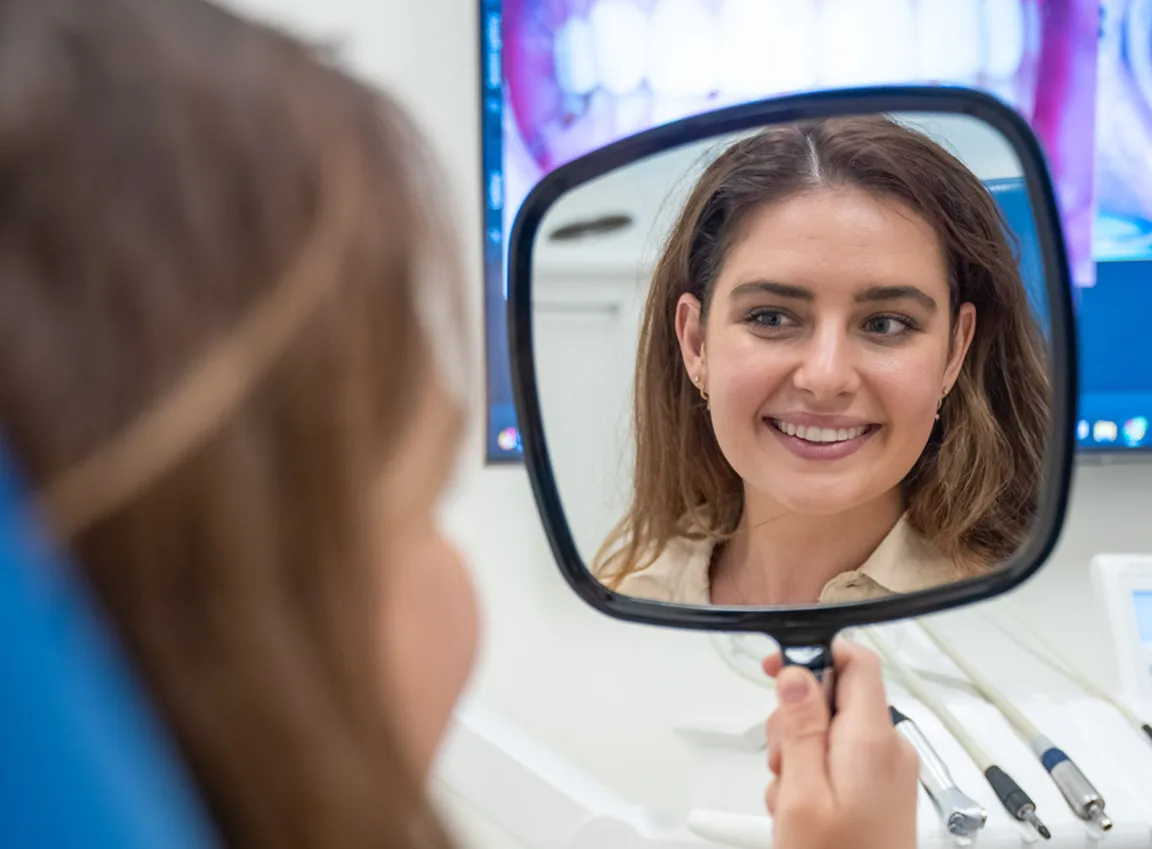
Composite Resin Veneers
They can reshape and refresh those teeth in a single visit, hand-sculpted straight onto your smile so it still looks like you, only easier to show off.
At Toothsavers, we look after patients from Campbelltown, Narellan and Mount Annan the way we would our own family, designing each smile around the face it belongs to.
Disclaimer: Images are for illustrative purposes only. Individual results and patient outcomes may vary.
Related Articles
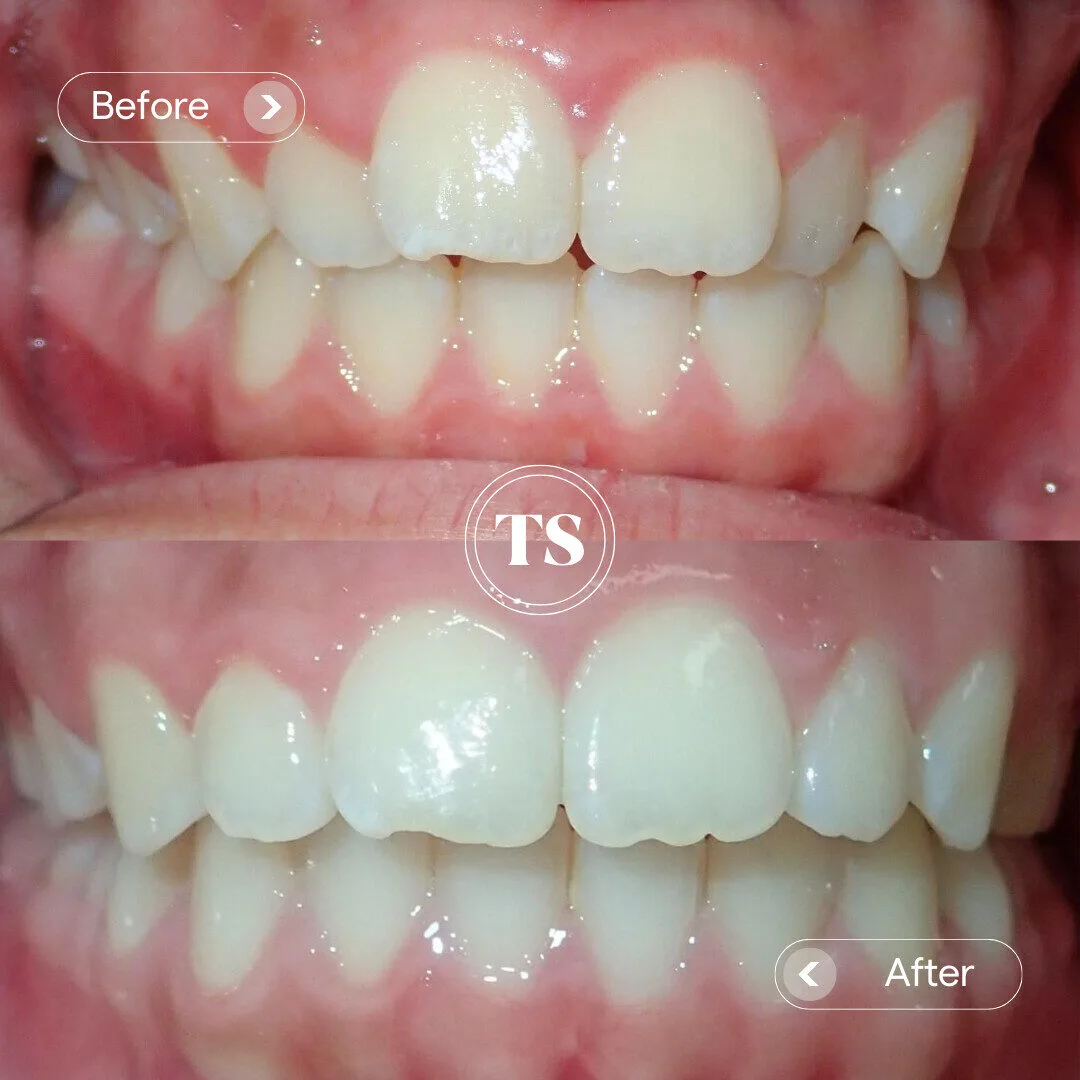
Can Invisalign and professional whitening create a straighter, brighter smile in Narellan Vale?
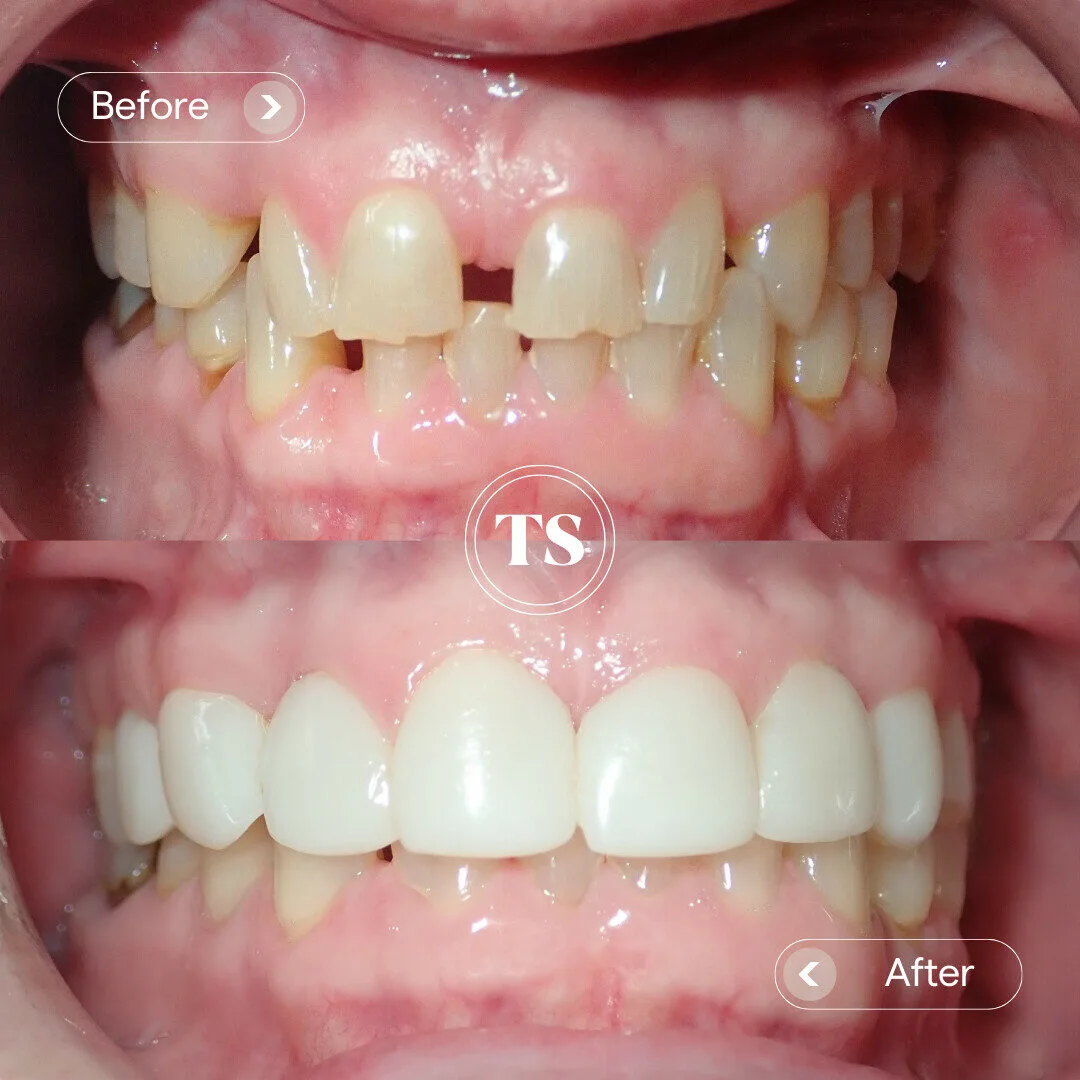
Can composite veneers close gaps and enhance small teeth in Narellan?
Can Invisalign treat severe tooth crowding without traditional braces in Narellan Vale?
Let's Get Your Smile Started.
Ready for a healthier, fresher smile? Fill out the form below to ask a question or book your visit. Our friendly team will be in touch shortly.